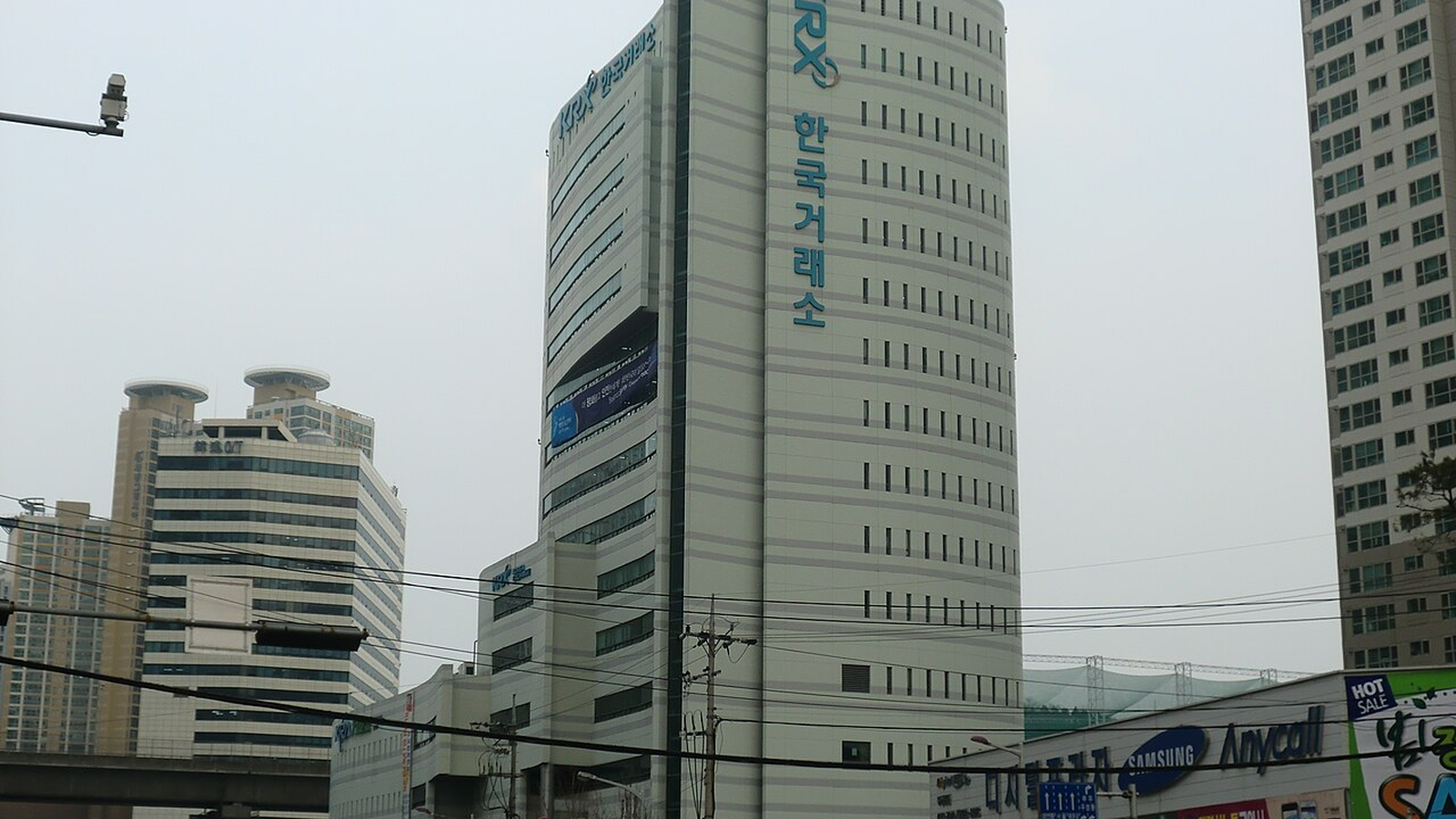
South Korea's KOSPI closed at 5,239.13 on Tuesday, Nov 10, up 220.28 points or 4.39%, its first gain in four sessions. A 6.86% jump in the Philadelphia Semiconductor Index overnight pulled buyers back into Samsung Electronics and SK hynix, and foreign investors were net buyers for the first time in eight sessions. The KOSDAQ rose 4.48% to 667.61, so both Korean markets recovered more than 4% after last week's steep falls.
Key takeaways
- The KOSPI closed at 5,239.13 (+4.39%) and the KOSDAQ at 667.61 (+4.48%). Buy-side sidecars were triggered in both markets shortly after the open.
- On the KOSPI, foreigners net bought 353.2 billion won and institutions 498.0 billion won, while individuals net sold 1.3396 trillion won.
- SK hynix rose 6.69% to 1,212,000 won and Samsung Electronics gained 4.74% to 198,900 won.
- The won strengthened 9.6 won to 1,337.5 per dollar at the 3:30 p.m. KST close.
- 716 KOSPI stocks rose and 175 fell.
KOSPI and KOSDAQ closing levels
The KOSPI opened 4.55% higher at 5,247.22 and reached 5,300.92 (+5.62%) intraday. It gave back some of that gain but still closed more than 4% higher. The KOSDAQ hit 671.91 intraday and ended a four-session losing streak.
On the KOSPI, 716 stocks advanced (seven at the daily limit), 175 declined and 20 were unchanged. On the KOSDAQ, 1,399 advanced (six at the limit), 288 declined and 64 were unchanged.
Net buying by investor type
Positive figures are net purchases and negative figures net sales. Korean outlets reported slightly different investor totals; this table uses the figures several outlets reported in common after the close. (Korean reports quote these in 억원, units of 100 million won: 3,532억원 is 353.2 billion won.)
Buy-side sidecar, the KOSPI's 28th this year
At 9:06 a.m. KST, KOSPI 200 futures rose 5.76% above the reference price and the exchange triggered a buy-side sidecar, a five-minute halt on program buy orders. It was the KOSPI's 28th buy-side sidecar this year.
On the KOSDAQ, a sidecar followed at 9:10 a.m. after KOSDAQ 150 futures rose 6.29% and the spot index 5.87%. It was the KOSDAQ's 20th buy-side sidecar this year.
Foreigners buy for the first time in eight sessions; individuals sell into the bounce
Foreign investors net bought 353.2 billion won of KOSPI stocks, their first net purchase in eight sessions. By Sisa Journal's count, foreigners net sold an average of 1.7929 trillion won a day over the previous seven sessions, from Oct 30 to Nov 9, so Tuesday's buying was small next to that run.
Flows split by stock. Foreigners net bought 106.9 billion won of SK hynix but net sold 44.9 billion won of Samsung Electronics. Bizwatch reported that institutional buying was led by financial investment firms (including ETF flows), private equity funds and asset managers.
Individuals net sold 1.3396 trillion won on the KOSPI. Bizwatch said investors who had bought near the second-quarter highs were selling into each rebound, which capped the gain.
Sisa Journal also cited analysts who said it was too early to call a full return of foreign buying. Lee Kyung-soo of Hana Securities wrote in a recent report that a KOSPI recovery and a return to foreign net buying could take at least three months.
Chips led the rebound
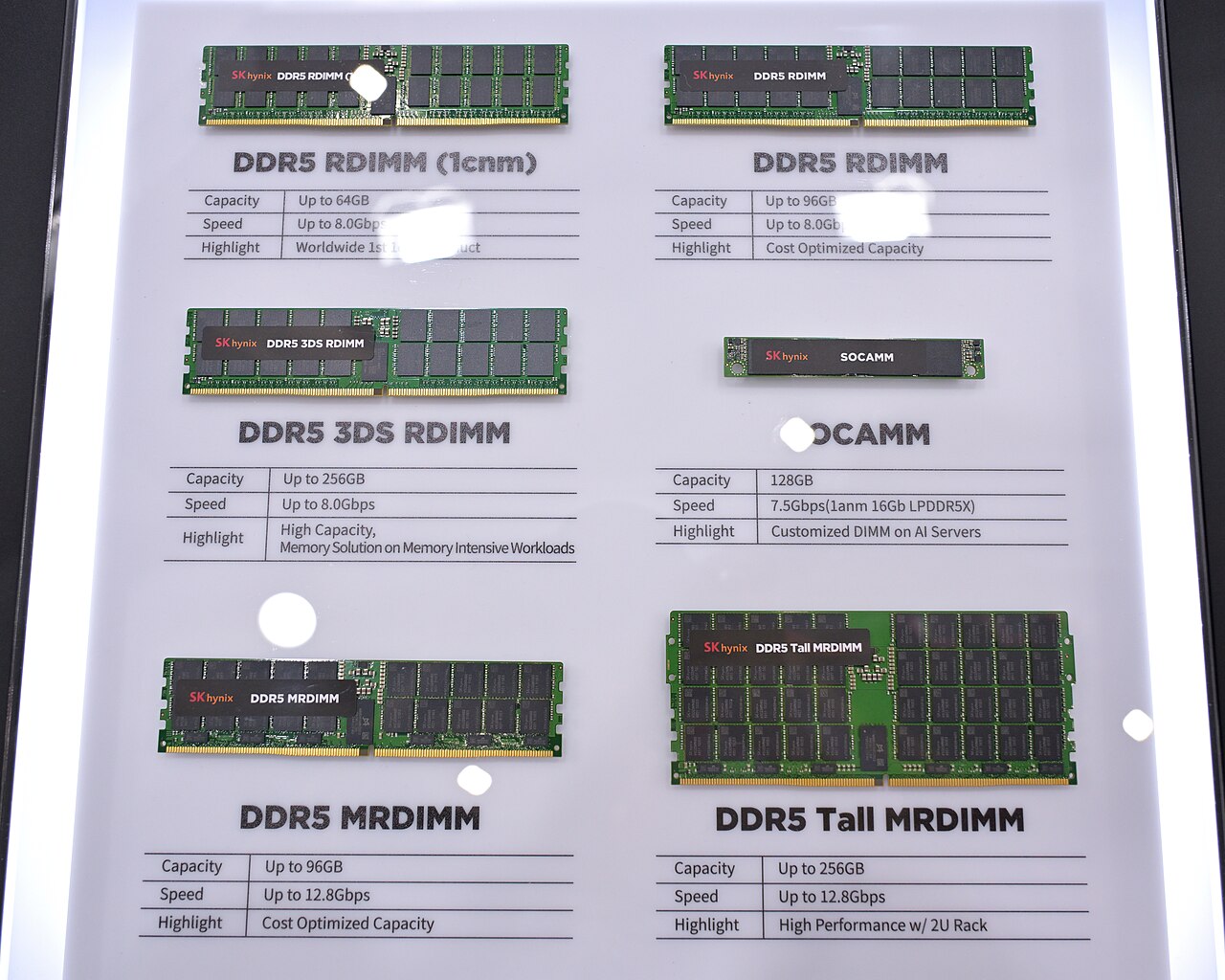
SK hynix closed 6.69% higher at 1,212,000 won, back above 1.2 million won, after rising as much as 9.3% intraday. Samsung Electronics rose 4.74% to 198,900 won after briefly trading above 200,000 won. At the close, Samsung Electronics had a market value of 1,162.8 trillion won and SK hynix 885.4 trillion won.
In New York the previous day, Nov 9 (ET), the Dow Jones Industrial Average rose 2.15%, the S&P 500 2.35% and the Nasdaq Composite 2.74%. The Philadelphia Semiconductor Index jumped 6.86%, with AMD up 13.26%, Marvell 9.49%, Broadcom 8.78% and Micron 6.25%. That session is covered in our US market close for Nov 9.
Lee Kyung-min of Daishin Securities said bargain hunting after the recent sharp fall lifted most sectors, and the rebound was strongest in the stocks that had fallen most. Kang Jin-hyuk of Shinhan Investment Corp. said calmer oil prices and a return of risk appetite drew dip buyers into chip stocks. Both said caution ahead of the US October consumer price index (CPI) and CoreWeave's earnings trimmed the gain during the day.
Sisa Journal reported analyst views that fears of US data-center regulation after the midterm elections had been overdone, and that the recent chip sell-off reflected sharp portfolio adjustments by hedge funds rather than weaker earnings or industry conditions. Last week's slide is covered in our KOSPI close for Nov 6, the day a circuit breaker was triggered.
Sector moves
Sectors that had fallen hard led the KOSPI rebound.
Pharmaceuticals lagged. Samsung Biologics fell 2.78% and Celltrion 3.33%, the largest declines among the top KOSPI names.
Notable stocks
| Stock | Market | Change | Close / note |
|---|---|---|---|
| SK hynix000660 | KOSPI | +6.69% | 1,212,000 won |
| Samsung Electronics005930 | KOSPI | +4.74% | 198,900 won |
| Samsung Electronics (pref.)005935 | KOSPI | +5.37% | 150,900 won |
| SK Square402340 | KOSPI | +5.26% | 760,000 won |
| LG Energy Solution373220 | KOSPI | +3.93% | 330,500 won |
| Samsung SDI006400 | KOSPI | +9.88% | 456,000 won, no disclosed reason |
| Samsung Electro-Mechanics009150 | KOSPI | +4.63% | Chip components |
| Hyundai Mobis012330 | KOSPI | +5.87% | Auto parts |
| Samsung Biologics207940 | KOSPI | -2.78% | Weak among top caps |
| Celltrion068270 | KOSPI | -3.33% | Pharma weakness |
| EO Technics039030 | KOSDAQ | +14.48% | Chip equipment |
| Ecopro086520 | KOSDAQ | +10.23% | Batteries |
| Ecopro BM247540 | KOSDAQ | +8.70% | Batteries |


Samsung SDI rose 9.88% to 456,000 won. Jaekyung Ilbo reported that neither the Financial Supervisory Service's disclosure system nor the company had published any major news or filing behind the move. No reason for the move was given.
On the KOSDAQ, chip equipment, parts and battery names were strongest. EO Technics rose 14.48%, Jusung Engineering 7.48%, Simmtech 6.71% and Leeno Industrial 4.63%, while Ecopro gained 10.23% and Ecopro BM 8.70%. Rainbow Robotics rose 7.44%. Biotech was mixed, with Alteogen up 4.69% and HLB up 0.33%.
No stock met this blog's chart test today: a top-100 KOSPI company moving about 10% or more in one session on a clear, sourced event.
Currency, oil and policy
The won closed day trading at 1,337.5 per dollar at 3:30 p.m. KST, 9.6 won stronger than the previous day's 1,347.1.
Oil kept falling. Around 4 p.m. KST, West Texas Intermediate (WTI) was down 1.7% at $85.38 a barrel and Brent down 1.6% at $91.06. AFP said hopes that the US and Iran will eventually end the Middle East conflict pushed prices lower. President Donald Trump said after meeting Qatar's prime minister that there was "positive momentum" toward ending the war and that further strikes on Iran were "quite unlikely."
At home, a temporary measure to limit forced selling of margin positions is in effect. According to the Korea Financial Times, financial authorities waived the requirement that margin-loan clients keep a 140% collateral ratio from Nov 9 through Jan 31 next year. Mirae Asset Securities cut its ratio for domestic stocks from 140% to 130%. The waiver only delays forced sales; borrowers still owe the full loan principal.
Asian markets
AI-related stocks led gains across Asia. Japan's Nikkei 225 closed up 2.9% at 60,459.58 and the Shanghai Composite rose 0.1% to 3,663.72. Hong Kong's Hang Seng was up 0.4% at 24,550.46 around 4 p.m. KST.
AFP reported that investors still worry about returns on AI spending and are watching Nvidia, whose board has opened an independent review over reports involving CEO Jensen Huang. Stephen Innes of SPI Asset Management said the market rallied because sellers stepped away, not because buyers had fully regained their confidence.
What to watch next
- Nov 10, 8:30 a.m. ET (10:30 p.m. KST): US Bureau of Labor Statistics (BLS) releases the October CPI.
- Nov 10, 5 p.m. ET (Nov 11, 7 a.m. KST): CoreWeave third-quarter 2026 earnings call.
- Nov 11: Financial Services Commission preliminary October household lending data; Bank of Korea October financial market trends.
- Nov 12: Financial Services Commission announcement on corporate governance fairness and transparency.
- Nov 13, 8:30 a.m. ET: US October producer price index (PPI).
- Nov 17, 2 p.m. PT: Nvidia fiscal 2027 third-quarter earnings call.
- Nov 26: Bank of Korea Monetary Policy Board rate decision.
FAQ
Where did the KOSPI close on Nov 10, 2026?
The KOSPI closed at 5,239.13, up 220.28 points or 4.39%. It opened 4.55% higher at 5,247.22, reached 5,300.92 intraday and posted its first gain in four sessions. The KOSDAQ closed at 667.61, up 28.64 points or 4.48%.
Did foreign investors buy Korean stocks on Nov 10?
Yes. Foreigners net bought 353.2 billion won of KOSPI stocks, their first net purchase in eight sessions. Institutions net bought 498.0 billion won and individuals net sold 1.3396 trillion won. On the KOSDAQ, foreigners net sold 147.5 billion won.
When were the sidecars triggered?
The KOSPI sidecar came at 9:06 a.m. KST after KOSPI 200 futures rose 5.76%; the KOSDAQ sidecar came at 9:10 a.m. after KOSDAQ 150 futures rose 6.29%. Program buy orders were halted for five minutes in each market. They were the 28th and 20th buy-side sidecars of the year on the KOSPI and KOSDAQ.
Why did the KOSPI rise on Nov 10?
The main factor cited was a 6.86% rise in the Philadelphia Semiconductor Index the previous day, which drew bargain buying into Korean chip large caps. Lower oil prices on hopes for US-Iran talks were also cited. Analysts at Daishin Securities and Shinhan Investment Corp. pointed to dip buying after the recent sell-off and a return of risk appetite.
What was the won-dollar rate on Nov 10?
The won closed at 1,337.5 per dollar at 3:30 p.m. KST, 9.6 won stronger than the previous day.
Sources
- Wikitree: KOSPI closes at 5,239.13, both markets up 4%
- News Tomato: Chips rescue KOSPI, back above 5,200
- Newspim: KOSPI and KOSDAQ rise on foreign and institutional buying
- E-Today: KOSPI up 4.39% to 5,239.13 as chip stocks rally
- Financial News: KOSPI posts first gain in four days
- Herald Business: KOSPI and KOSDAQ close up more than 4%
- Sisa Journal: Returning foreigners lift KOSPI 4.39%
- Bizwatch: KOSPI and KOSDAQ both up 4%, individuals sell the bounce
- Kangwon Domin Ilbo: KOSPI rebounds 4.39% to 5,239.13
- Jaekyung Ilbo: Samsung SDI closes up 9.88% at 456,000 won
- Seoul Economic Daily: KOSPI Closes Up 4.39% at 5,239.13
- AFP via Yahoo Finance: Tech leads Asian stock rally as traders track Wall St rebound
- Korea Financial Times: KFT morning brief, Nov 10, 2026
- Newspim: Korea financial calendar, Nov 9-13
- U.S. Bureau of Labor Statistics: November 2026 release schedule
- CoreWeave Investor Relations: Third quarter 2026 results date
- NVIDIA Newsroom: NVIDIA Sets Conference Call for Third-Quarter Financial Results