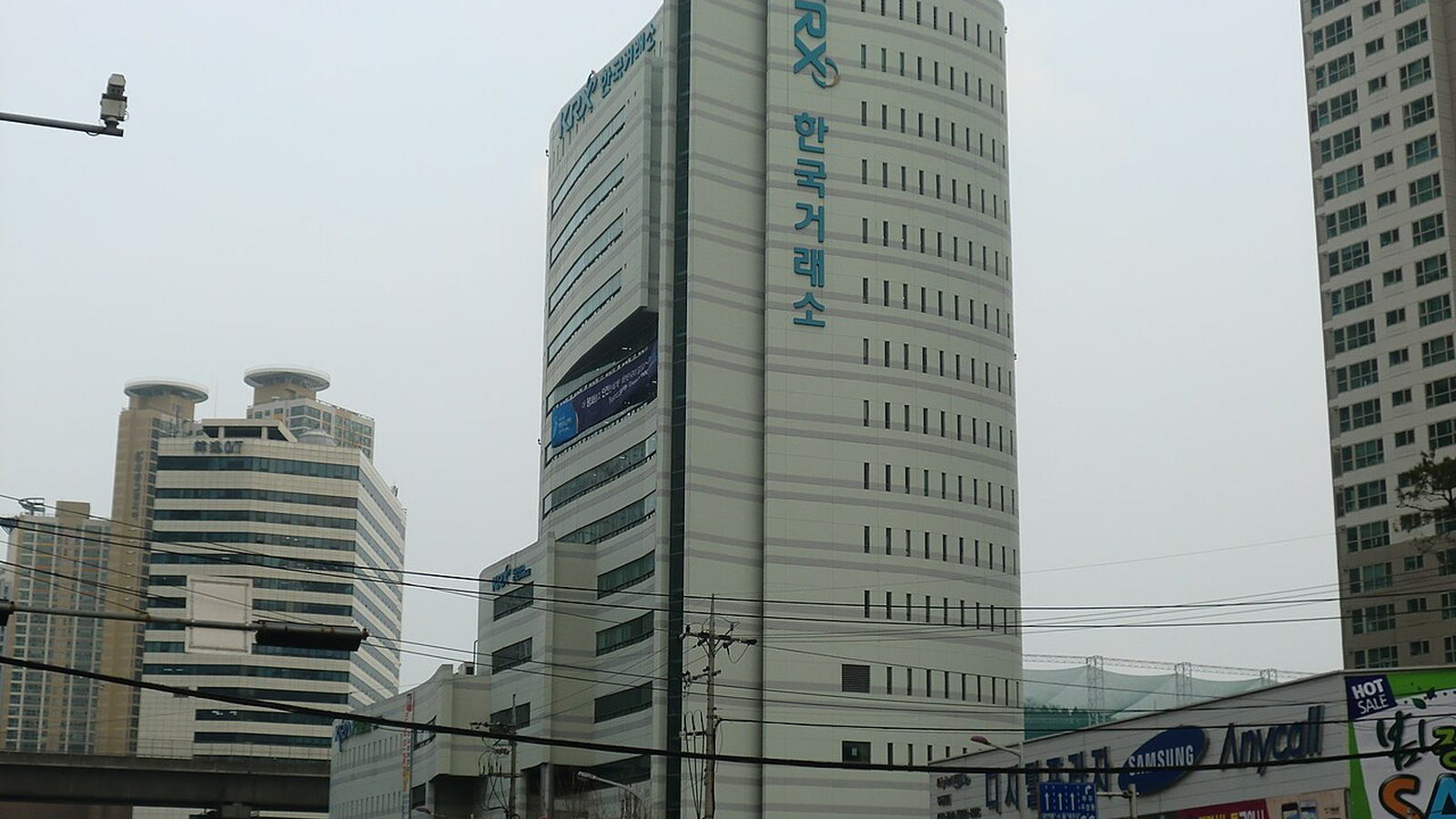
The KOSPI fell 132.02 points, or 2.59%, to close at 4,968.48 on Tuesday, Nov 17. It was the index's first close below 5,000 since Feb 2 (4,949.67), about nine months ago. Foreign investors sold a net 1.55 trillion won of main-board stocks, and worries over tighter US curbs on AI chips and the leadership gap at Nvidia pulled down the large chipmakers that dominate the index.
Key takeaways
- The KOSPI closed at 4,968.48, its fourth straight loss; the index is down 7.57% over those four sessions.
- Foreigners sold a net 1.5517 trillion won on the KOSPI, their third straight session of net selling, while institutions (683.4 billion won) and individuals (389.3 billion won) were net buyers.
- Samsung Electronics fell 3.30% to 190,300 won and SK hynix fell 1.96% to 1,098,000 won.
- The KOSDAQ fell 2.34% to 650.06.
- The won weakened 2.5 won to close at 1,338.2 per dollar.
Index closes (Nov 17, KST)
The KOSPI opened at 5,008.09 and climbed as high as 5,084.06 before selling picked up in the afternoon and took it to an intraday low of 4,957.00. Main-board trading value was about 14.2 trillion won; KOSDAQ trading value was about 4.7 trillion won.
Investor flows
Preliminary intraday data had foreign selling at around 1.44 trillion won; the post-close tally was higher. Institutions, which sold a net 463.4 billion won the day before, turned to net buying. Foreign selling was larger than the combined net buying of institutions and individuals.
Chip heavyweights: the aftershock of a 5.28% drop in US chip stocks
In the previous US session, the Nasdaq Composite fell 2.49% and the Philadelphia Semiconductor Index fell 5.28%. SK hynix's depositary receipts traded in New York fell 7.29%. That selling carried into Seoul.
Samsung Electronics fell 6,500 won (3.30%) to 190,300 won, and SK hynix fell 22,000 won (1.96%) to 1,098,000 won. Samsung's preferred shares fell 5.77%, the steepest drop among the five largest companies by market value, and Samsung Electro-Mechanics fell 3.95%. SK hynix (about 3.91 trillion won) and Samsung Electronics (about 3.03 trillion won) drew the most trading value.
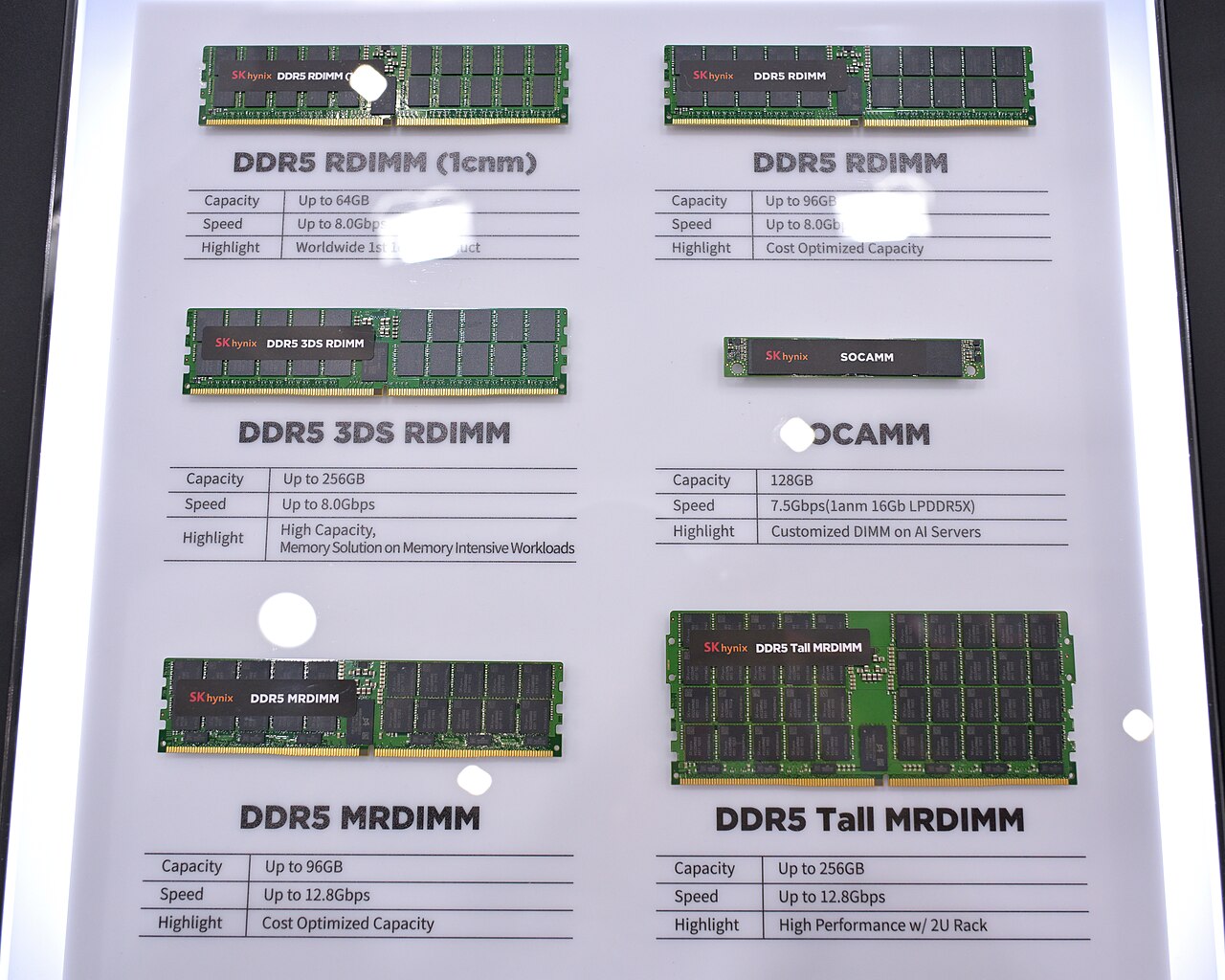
Brokerage analysts pointed to a pile-up of AI-related bad news. Kim Joo-yeon of Mirae Asset Securities said weaker sentiment toward AI investment hit most of the AI infrastructure value chain. Kang Jin-hyuk of Shinhan Investment Corp. said Nvidia's troubles, US-China tension and warnings about AI demand arrived together ahead of major AI events, which pushed investors toward risk aversion.
The KOSPI hit an intraday record of 9,385.59 on June 19 and is now about 47% below that peak. Samsung Electronics and SK hynix are 49.19% and 63.24% below their intraday highs for the year. For the previous session, see the Nov 16 KOSPI close; for the US chip sell-off, see the Nov 16 US market close.
Sectors: utilities, insurers and builders lead losses
Almost every main-board sector index fell. Electricity and gas fell 4.87%, the largest drop, followed by non-metallic minerals (-3.97%), insurance (-3.86%), construction (-3.85%), machinery and equipment (-3.81%) and metals (-3.26%). Only textiles and apparel (+1.07%) and medical and precision instruments (+1.06%) rose.
Stocks tied to AI infrastructure, including HD Hyundai Electric, Hyosung Heavy Industries, Doosan Enerbility and Hyundai Engineering & Construction, fell together. Banks and insurers gave back the previous day's gains: KB Financial fell 2.97% to 156,800 won and Samsung Life fell 4.54%. Battery maker LG Energy Solution fell 4.08%, and shipbuilding and defense stocks were also weak. Hyundai Department Store and some cosmetics stocks rose.
Notable stocks
| Stock | Market | Close | Change | Note |
|---|---|---|---|---|
| Samsung Electronics005930 | KOSPI | 190,300 won | -3.30% | Fallout from US chip sell-off |
| SK hynix000660 | KOSPI | 1,098,000 won | -1.96% | New York receipts fell 7.29% |
| Samsung Electronics (pref.)005935 | KOSPI | 152,000 won | -5.77% | Largest drop in the top five by value |
| LG Energy Solution373220 | KOSPI | 305,500 won | -4.08% | Battery stocks weak |
| KB Financial105560 | KOSPI | 156,800 won | -2.97% | Financials reversed prior-day gains |
| Gyeyang Electric012200 | KOSPI | 2,935 won | +29.87% | Named Hyundai parts supplier; daily limit up |
| Indef014990 | KOSPI | 3,020 won | +29.89% | Inter-Korean theme; daily limit up |
| Alteogen196170 | KOSDAQ | 173,000 won | +0.76% | Largest KOSDAQ company |
| Robotis108490 | KOSDAQ | 211,500 won | -8.64% | Q3 operating loss, target prices cut |


KOSDAQ and individual stocks
The KOSDAQ fell 15.59 points (2.34%) to 650.06. Alteogen, the largest KOSDAQ company by market value, rose 0.76%, while EcoPro (-3.15%), EcoPro BM (-1.51%) and Rainbow Robotics (-5.44%) fell.
Robotis fell 8.64% to 211,500 won. Third-quarter revenue rose 45.8% to 13.5 billion won, but the company posted an operating loss of 2.6 billion won, and Korea Investment & Securities and Samsung Securities lowered their target prices. Some brokerage sources attributed the loss to performance bonuses and shipments of low-margin products.
Optonix debuted on the KOSDAQ. It opened at 31,000 won against an offering price of 12,000 won and reached 34,850 won intraday, then gave back much of the gain to close at 18,170 won, 51.42% above the offering price.
Two KOSPI stocks closed at the daily upper price limit (상한가), the most a single Korean stock can rise in one session. Gyeyang Electric rose 29.87% to 2,935 won after disclosing that it was selected to supply parts for five Hyundai Motor models, including a large sedan, mid- and large-size RVs and an electric vehicle. Indef, a former tenant of the Kaesong Industrial Complex, rose 29.89% to 3,020 won as investors bought inter-Korean cooperation stocks after President Trump mentioned a possible meeting with Kim Jong Un. South Korean officials and analysts, however, see little chance of a US-North Korea summit during this week's APEC meeting.
Won and rates
The won opened at 1,336.0 per dollar, traded in the mid-1,330s and closed at 1,338.2, weaker by 2.5 won. Seoul Economic Daily cited worries that persistent US inflation could lead the Federal Reserve to raise rates again, broad dollar strength and foreign selling of Korean stocks. US core CPI for October rose 0.3% from the month before. Caution ahead of dollar sales by exporters limited the move, the paper said.
The US 10-year Treasury yield stood at 5.13% at the time of an AP report.
Asian markets and daytime international news
Most Asian markets fell. Japan's Nikkei 225 fell 1.34% to 58,860.43, and Taiwan's Taiex fell 2.31% to 40,092.11. The Shanghai Composite fell 0.50% to 3,584.58 and the Shenzhen Component fell 0.49% to 10,638.52. Hong Kong's Hang Seng was down 0.91% at around 4:35 p.m. KST.
US chip rules weighed on the whole region. According to AP, the US administration issued new rules restricting remote access to advanced US computing chips and servers. eToday reported that the rules also block indirect access through data centers in third countries in Southeast Asia, such as Singapore and Malaysia, which raised concerns about regional chip supply chains.
In Japan, news that the economy contracted in the July-September quarter weighed on sentiment. SoftBank Group fell 3.9% and chip-testing equipment maker Advantest fell 4.4%. In China, chip materials and equipment stocks rose on expectations of greater self-sufficiency in response to US export controls.
What to watch next
- Nov 17 after the US close (early Nov 18 KST): Nvidia third-quarter results, presented by interim CEO Colette Kress.
- Nov 18: Japan's October trade data.
- Nov 18-19: APEC leaders' summit in Shenzhen, China.
- Nov 19: Anthropic's scheduled US stock market listing.
FAQ
Where did the KOSPI close on Nov 17, 2026?
The KOSPI closed at 4,968.48, down 132.02 points or 2.59%. It was the first close below 5,000 since Feb 2, about nine months earlier, and the index's fourth straight daily loss.
How much did foreign investors sell on Nov 17?
Foreign investors sold a net 1.5517 trillion won of KOSPI stocks, their third straight session of net selling. Institutions bought a net 683.4 billion won and individuals 389.3 billion won. On the KOSDAQ, foreigners sold a net 73.2 billion won.
Why did the KOSPI fall?
The Philadelphia Semiconductor Index fell 5.28% in the prior US session, and the US issued new rules restricting remote access to advanced chips, which drove selling in Korea's large chipmakers. Analysts said the leadership gap at Nvidia, US-China tension and warnings about AI demand added to risk aversion.
How did Samsung Electronics and SK hynix shares close?
Samsung Electronics fell 3.30% to 190,300 won and SK hynix fell 1.96% to 1,098,000 won. Samsung's preferred shares fell 5.77%.
What was the won-dollar rate on Nov 17?
The won closed at 1,338.2 per dollar, weaker by 2.5 won. Dollar strength on worries about further US tightening and foreign selling of Korean stocks were cited as reasons.
Sources
- Asia Economy: KOSPI closes below 5,000 for first time in 9 months, foreigners sell 1.5 trillion won
- Newspim: KOSPI market close, foreigners net sell 1.5 trillion won
- Sisa Journal-e: e-Market Closing, KOSPI breaks 5,000
- Wikitree: KOSPI falls below 5,000 for first time in 9 months
- Hankyung: KOSPI falls 2.59%, breaks 5,000
- SBS News: KOSPI Falls Below 5,000 Amid Triple Blow
- Seoul Economic Daily: KOSPI Closes Below 5,000 for First Time in 9 Months
- Seoul Economic Daily: Won closes at 1,338.2 per dollar
- eToday: Asian stocks fall on tighter US chip controls
- Newspim: China stock market close, chip materials and equipment stocks gain
- AP via Yahoo Finance: Asian markets mostly drop as AI stocks remain under pressure
- The Korea Times: Chances of Trump-Kim meeting at APEC grow slim